
Test
Smoke and Carbon Monoxide Detectors – Winter Safety Starts at Home
As a real estate agent, I often remind homeowners that safety is a top priority—not just for their peace of mind but also for the appeal of their home to potential buyers. Winter brings increased use of heating systems, fireplaces,
and space heaters—all of which make functioning smoke and carbon monoxide (CO)
detectors more important than ever. These small devices play a big role in
protecting your home and family, and winter is the perfect time to make sure
they’re working properly. Regularly inspecting and testing safety devices ensures your home remains a secure and welcoming space. Here’s a guide to help you stay on top of essential safety checks.
Why Regular Inspections Matter
Safety devices like smoke detectors, carbon monoxide detectors, and fire extinguishers play a critical role in protecting your home and family. Regular testing and maintenance:
- Enhances Home Safety: Early detection of fires, gas leaks, or other hazards can save lives.
- Prevents Malfunctions: Ensures devices are functional when you need them most.
- Boosts Buyer Confidence: Well-maintained safety features make your home more attractive to buyers.
Key Safety Devices to Inspect and Test
1. Smoke Detectors
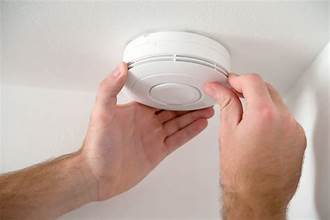
- Test Monthly: Press the test button to ensure the alarm sounds.
- Replace Batteries: Change batteries at least once a year or when the low-battery warning sounds.
- Replace Units: Replace smoke detectors every 10 years, even if they appear functional.
- Vacuum Detectors: Gently remove dust buildup to keep sensors working properly.
2. Carbon Monoxide Detectors
- Test Monthly: Use the test button to check the alarm.
- Place Strategically: Install detectors near sleeping areas and on every level of the home.
- Replace Units: Follow the manufacturer’s guidelines, typically every 5-7 years.
3. Fire Extinguishers
- Check Pressure Gauge: Ensure the needle is in the green zone.
- Inspect for Damage: Look for dents, leaks, or corrosion.
- Know Expiration Dates: Replace or service extinguishers as recommended by the manufacturer.
4. GFCI Outlets
- Test Monthly: Press the test and reset buttons to ensure functionality.
- Replace If Faulty: If the outlet doesn’t trip or reset, it may need replacement.
5. Home Security Systems
- Test Sensors: Check door and window sensors, motion detectors, and cameras.
- Update Software: Ensure the system’s firmware is up to date.
- Replace Batteries: Regularly replace batteries in wireless components.
Additional Safety Tips
- Check Emergency Lighting: Test flashlights and backup lights to ensure they’re operational.
- Inspect Escape Routes: Make sure all windows and doors open easily and are free of obstructions.
- Update Emergency Kits: Stock kits with fresh batteries, water, non-perishable food, and first- aid supplies.
- Maintain Fire Sprinklers: If your home has a sprinkler system, schedule professional inspections.
Benefits for Home Sellers
A home with well-maintained safety devices offers:
- Peace of Mind for Buyers: Buyers feel reassured knowing the home is safe and secure.
- Reduced Inspection Issues: Functional safety devices can prevent delays during the sales process.
- Increased Marketability: Highlighting updated safety features can set your home apart from others.
Keep Your Home Safe and Market-Ready
Inspecting and testing safety devices is a simple yet crucial task that protects your home and enhances its appeal to buyers. Whether you’re preparing to sell or just want to ensure a secure living environment, regular safety checks are a must.