
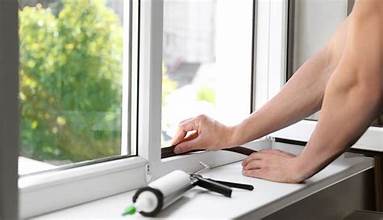

Seal Windows, Doors & Drafts – Keep Warm Air In and Costs Down
Even during Georgia’s relatively mild winters, small drafts can make a big impact on comfort and energy bills. Gaps around windows and doors allow warm air to escape and cold air to enter, forcing your heating system to work harder. Sealing those leaks is one of the simplest ways to improve efficiency and keep your home cozy all winter long.
Here’s a step-by-step guide to sealing drafts around your home:
Step 1: Identify Drafty Areas
On a cool or windy day, run your hand around window frames and door edges to feel for cold air. You can also use a candle or incense stick—if the flame flickers or smoke moves, you’ve found a draft.
Step 2: Inspect Weatherstripping
Check weatherstripping on doors and windows for cracks, gaps, or brittleness. Replace worn weatherstripping to create a tighter seal and prevent heat loss.
Step 3: Caulk Around Frames and Trim
Old caulk can dry out and crack over time. Remove damaged caulk and apply a fresh bead around:
- Window frames
- Door trim
- Exterior joints where siding meets openings
Use exterior-grade caulk for best results.
Step 4: Install or Replace Door Sweeps
Gaps beneath exterior doors are common sources of drafts. Installing or replacing a door sweep helps block cold air and improves indoor comfort.
Step 5: Use Storm Windows or Window Film (If Available)
If your home has storm windows, make sure they’re properly closed. For added insulation, consider clear window film kits that help reduce heat loss during winter.
Real Estate Tip
Energy efficiency is a major selling point for buyers. Well-sealed windows and doors signal that a home has been thoughtfully maintained and can help reduce inspection concerns down the road.